Table of contents
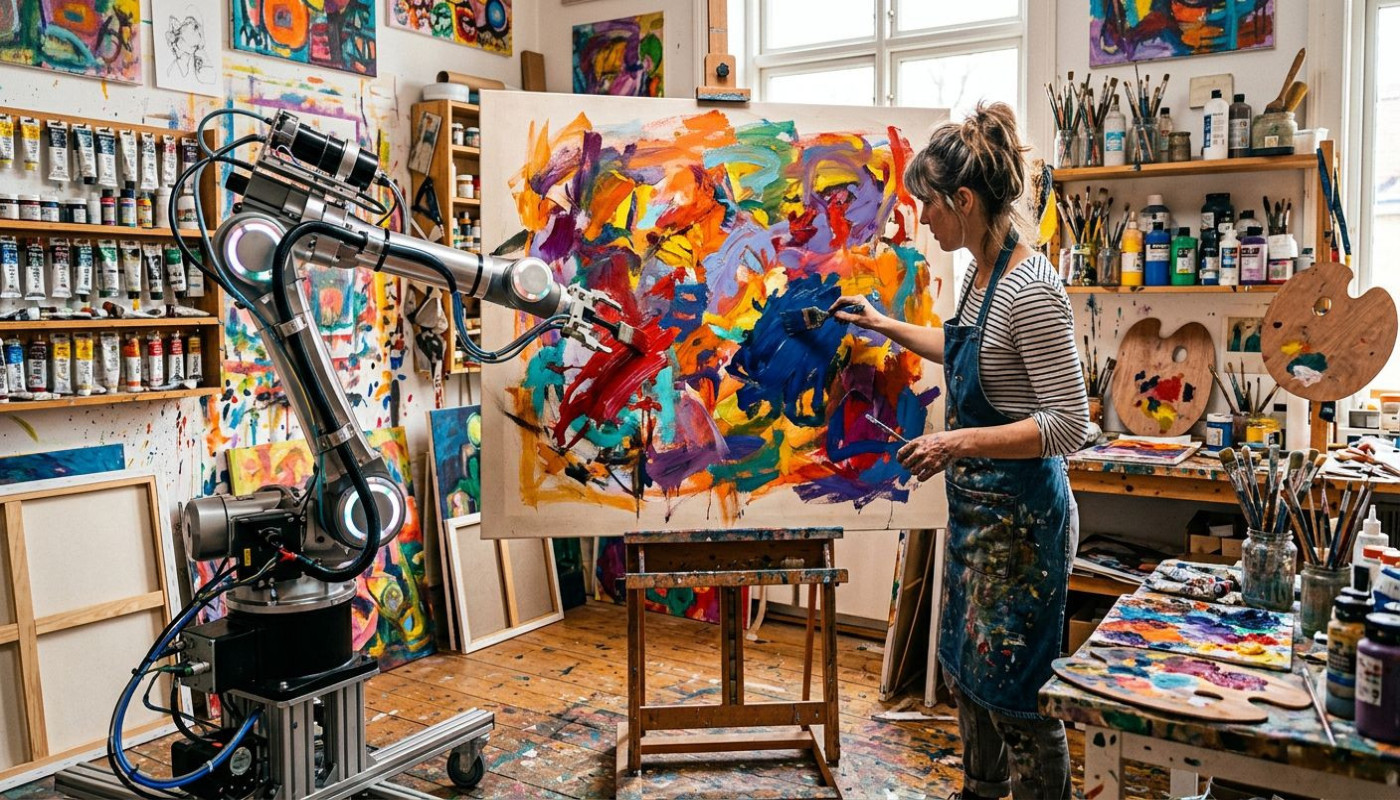
Artificial intelligence is rapidly transforming the creative landscape, extending its reach to the world of traditional art forms. As technology becomes deeply integrated with artistic practices, new questions emerge about authenticity, value, and originality. Dive into this exploration to uncover how digital innovation is reshaping painting, sculpture, and more, and discover the crossroads where age-old techniques meet cutting-edge algorithms.
AI’s role in creative processes
Artificial intelligence in art is transforming the creative process for practitioners of traditional painting, sculpture, and drawing. Generative algorithms act as innovative collaborators, providing artists with a wealth of inspiration and unexpected outputs that can serve as starting points or enhancements for original works. These systems analyze vast datasets of styles, techniques, and motifs, allowing creators to explore new visual languages or reinterpret classical forms. Through the application of machine learning and neural networks, artists gain the ability to manipulate color, composition, and form in ways previously unattainable by hand, unlocking a broader range of expressive possibilities.
The integration of algorithmic creativity into traditional art forms has led to expanded boundaries in visual experimentation. Algorithmic design tools enable artists to iterate rapidly, test complex variations, and simulate materials or effects before committing to physical execution. This synergy between human intuition and artificial intelligence in art not only enriches the creative process but also democratizes access to advanced techniques for a wider population of artists. Generative algorithms and neural networks are thus reshaping the relationship between technology and tradition, challenging established norms and inspiring fresh interpretations within the fields of painting, sculpture, and drawing.
Redefining authenticity and originality
The advent of artificial intelligence is dramatically transforming how art authenticity and originality in art are perceived within the world of traditional art forms. With AI-generated art becoming increasingly sophisticated, the boundaries that once defined creative authorship and art ownership grow ever less distinct, leading to profound debates over the legitimacy and value of such works. Questions arise regarding provenance, as the digital footprint of AI-generated pieces complicates the traditional pathways used to verify the history and origin of artwork. The integration of advanced algorithms into the creative process not only challenges existing standards of what makes an artwork original but also introduces the potential for mass replication and subtle variations that were previously unfeasible.
These technological developments foster ongoing legal and philosophical discussions surrounding creative authorship and the rightful claims to art ownership. Intellectual property laws, which were constructed around human creativity, now face the unprecedented challenge of accounting for works where the artist is a machine or a collaborative entity. Philosophers and art theorists debate whether AI-generated art can possess the emotional depth, intent, and singular vision traditionally associated with human artists, or if its value is inherently derivative. The technical term provenance, once reliant on clear documentation of an artwork’s creation and journey, now requires new frameworks to trace the origins and modifications of digital and algorithmically-crafted pieces.
Art markets and collectors are reevaluating how to assign value to AI-generated art, particularly when considering the blurred lines of originality in art and the influence of algorithmic assistance on the creative process. As technology advances, platforms offering cutting-edge tools for creating and editing AI-generated art—such as those linked here—are reshaping artistic practices and the criteria for determining authenticity. In light of these shifts, both the legal landscape and art world must adapt to newly emerging paradigms that redefine ownership, creative authorship, and the very essence of what constitutes a unique, valuable artwork in the digital age.
Preserving cultural heritage with AI
Artificial intelligence is transforming cultural heritage preservation through innovative solutions such as AI art restoration, digital archiving, and advanced image recognition. Museums and conservationists are leveraging these technologies to document, conserve, and restore traditional artworks and craft techniques with unprecedented accuracy. Digitization enables fragile or deteriorating pieces to be recreated virtually, offering a digital backup while facilitating remote study and appreciation. Through data analysis, AI can detect patterns of degradation, predict future deterioration, and suggest tailored intervention strategies, making art conservation more efficient and less invasive. Despite these advantages, digital archiving and AI-powered methods present challenges, such as the risk of data obsolescence and ethical questions surrounding digital reproductions. While AI offers powerful tools for safeguarding heritage, it remains essential to balance technological innovation with traditional expertise to ensure the authentic transmission of cultural legacies to future generations.
New opportunities for collaboration
Human-AI collaboration is transforming contemporary art by fostering unique synergies between artists and intelligent systems. Co-creation in art projects allows for the emergence of hybrid art forms, where the strengths of both humans and machines unite to transcend traditional artistic limitations. Recent AI art exhibitions showcase works that blur the lines between creator and tool, illustrating how interdisciplinary art practices are evolving. Through interactive installations and generative algorithms, artists and AI frequently collaborate to produce outcomes neither could achieve alone, inspiring new methods of expression and audience engagement. This evolving synergy not only expands creative possibilities but also prompts reconsideration of authorship, intent, and the role of technology in shaping modern visual culture.
Future directions for traditional art
The evolving relationship between AI and traditional art signals a remarkable transformation in the future of art, balancing innovation with the preservation of heritage. The integration of technology in art offers new avenues for creative expression, allowing both established and emerging artists to experiment with digital tools, generative algorithms, and interactive installations. This synergy not only expands the boundaries of what is possible in art innovation but also challenges conventional notions of authorship, originality, and craftsmanship. As artists and technologists push these limits, the leading visionary in art and technology is tasked with navigating ethical considerations, ensuring that technology in art complements rather than overshadows traditional techniques.
Opportunities for audience engagement and art education are also expanding: AI-powered platforms enable broader access to art experiences, customized learning, and the democratization of artistic knowledge. At the same time, obstacles arise, such as the risk of cultural homogenization, overreliance on digital media, and the diminishing value of manual skills. The future of art will depend on thoughtful stewardship, requiring the art world to reflect on how to sustain tradition while embracing transformation. By fostering dialogue and collaboration, the balance between preservation and progress can be maintained, ensuring that both AI and traditional art have enduring roles in shaping cultural and educational landscapes.
Similar articles
The Unexpected Benefits Of Aligning Revenue Operations With Artificial Intelligence
How Digitizing Procurement Can Revolutionize Business Efficiency?
How Integrating Hris Software Improves Employee Satisfaction And Retention

Essential Features To Look For In Shared Office Spaces

Understanding The Impact Of 24/7 Access In Shared Workspaces On Productivity

How Outsourcing Key Operations Boosts Business Efficiency

Exploring The Impact Of Advanced Artificial Intelligence On Modern Business Strategies And Market Success

Exploring The Benefits Of Outsourcing For Enhancing Business Efficiency And Operational Growth

Why is email verification essential for your business ?
